
Guide
Farmers
Understanding Proper Cold Storage for Fresh Produce
How cold rooms, booking discipline, and handling standards help farmers preserve crop value.
Fresh produce remains highly sensitive after harvesting. Once crops are removed from the farm environment, they immediately begin losing moisture, freshness, texture, and nutritional quality. Without proper storage conditions, vegetables and fruits can deteriorate rapidly before reaching markets, buyers, restaurants, or processing facilities.
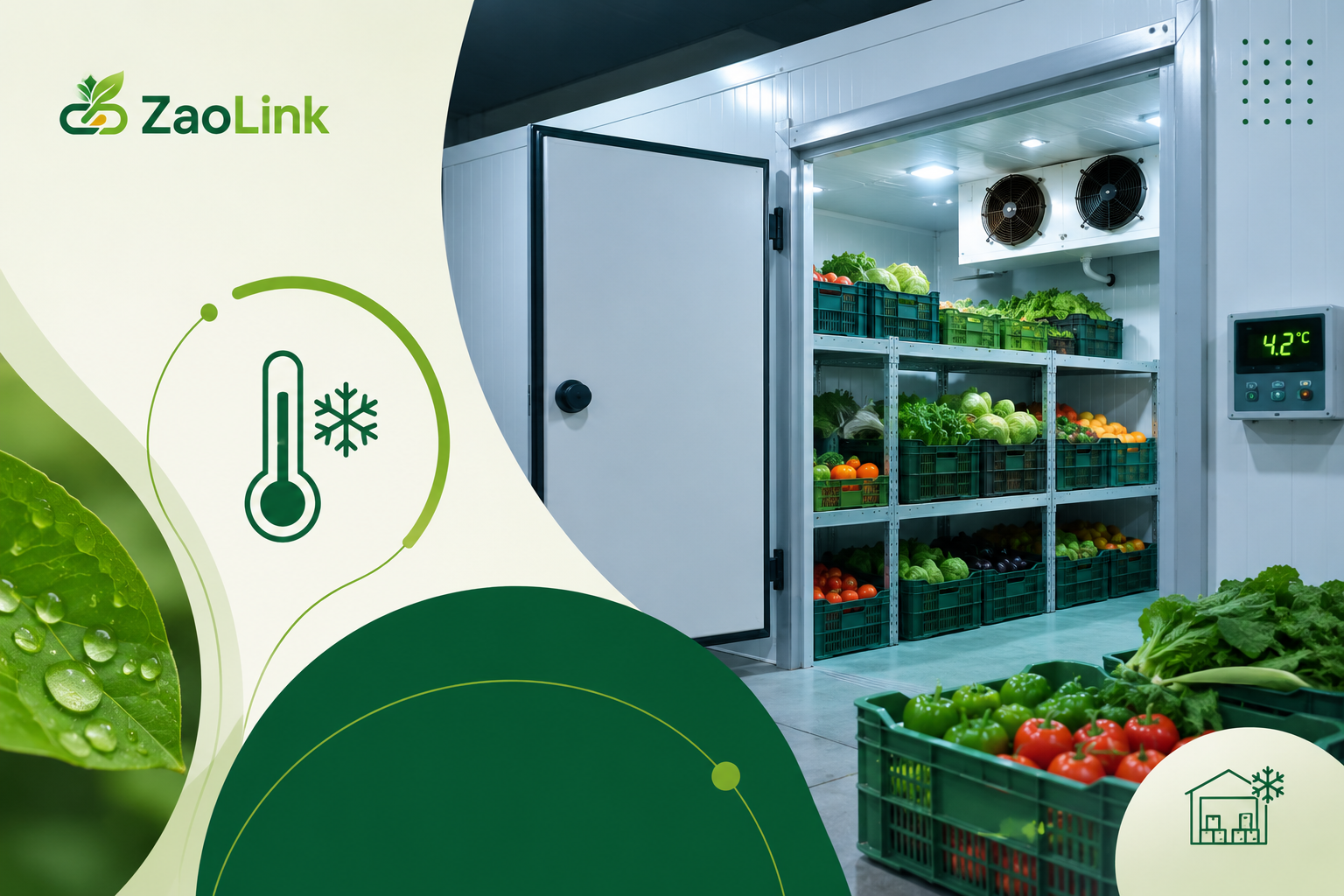
Cold storage plays a critical role in preserving produce quality throughout the agricultural supply chain. It helps slow down spoilage, maintain freshness, reduce moisture loss, and extend shelf life during transportation and distribution.
Many farmers experience major losses not because of poor production, but because harvested produce is stored under unsuitable environmental conditions. Excess heat, poor airflow, overcrowding, and moisture buildup often accelerate deterioration before produce can be sold.
Different produce types require different storage conditions. Tomatoes, leafy vegetables, onions, potatoes, fruits, and herbs all react differently to temperature and humidity changes. Storing all produce under the same conditions can reduce shelf life significantly and increase spoilage risks.
One common mistake is placing harvested produce directly under sunlight after harvesting. Heat exposure increases respiration rates inside produce, causing faster ripening and moisture loss. Produce should always be transferred into shaded or cooled environments as quickly as possible after harvesting.
Ventilation is equally important inside storage environments. Poor airflow allows heat and moisture to accumulate, creating ideal conditions for mold, bacterial growth, and fungal spread. Storage rooms should maintain consistent airflow to stabilize temperature and reduce condensation buildup.
Overcrowding storage areas also creates major problems. When produce is packed too tightly together, airflow becomes restricted and internal temperatures rise. This increases pressure damage and accelerates spoilage throughout storage containers.
Cold storage facilities help solve many of these challenges by maintaining stable environmental conditions. Proper cold rooms regulate temperature while supporting controlled airflow and humidity management. This slows down ripening processes and preserves produce quality for longer periods.
Tomatoes, for example, require moderate cooling rather than extremely low temperatures. Excessively cold temperatures may damage texture and flavor quality. Leafy vegetables, however, generally require cooler storage conditions to maintain freshness and moisture content.
Storage hygiene also remains critical. Dirty floors, contaminated containers, standing water, and spoiled produce increase bacterial spread inside storage facilities. Storage areas should be cleaned regularly to maintain safe produce handling conditions.
Produce should also be inspected frequently while in storage. Damaged or spoiled produce should be removed immediately before deterioration spreads to surrounding produce. One neglected container can affect an entire storage section within a short period.
Farmers and storage operators should also avoid storing incompatible produce together. Some crops release gases that accelerate ripening in nearby produce. Improper produce combinations can shorten shelf life significantly even under cooled conditions.
Reliable cold storage improves more than just preservation. It also improves market flexibility. Farmers can avoid rushing produce into unfavorable markets immediately after harvesting and instead maintain produce quality while waiting for better pricing opportunities.
Buyers also prefer suppliers who consistently deliver fresh and stable produce. Proper storage therefore strengthens buyer trust, improves repeat business opportunities, and increases long-term supply reliability.
As agricultural supply chains continue evolving, cold storage infrastructure becomes increasingly important for reducing post-harvest losses and improving food system efficiency. Farmers who understand proper storage management place themselves in a stronger position to preserve produce quality, reduce waste, and improve overall profitability.
Cold storage is no longer simply an optional agricultural upgrade. It is becoming an essential operational requirement for modern produce handling and sustainable agricultural commerce.